Delivering high priority digital health services during the pandemic
NHS COVID Pass lets UK citizens show proof of their COVID-19 vaccinations whenever they need to.
An exciting project delivered over six weeks, and reported about daily by BBC News.
The project
At the height of the pandemic, a new service was developed to show proof of a person’s COVID-19 vaccination records.
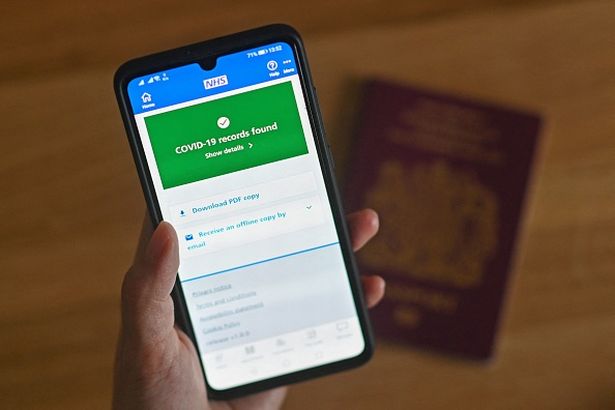
If the service recalled a positive COVID-19 vaccine ID in a patient’s health record, it would create a unique QR code for users to show at events, airports, and more. Users could get proof sent via email or download it to their device.
As the UK’s number one health app, team leads were asked to integrate the service into the app quickly, so UK citizens could start to return to activities and events, and the economy could start to recover.
How we worked
As a multi-disciplinary product team, I worked with a UX designer, business analyst, product lead, and software engineers.
We worked in agile 2-week sprints, and attended daily stand-ups to report progress of the product integration.
Every Friday, we presented our progress to executive teams from NHS Digital and NHS-X, the two bodies responsible for delivering digital health services to the public.
The exec team reported our progress to senior members of the government, and the Prime Minister would speak about progress on the daily pandemic briefings on BBC News.
My role as Lead Content Designer
I started with an audit of the app and website to identify where was appropriate to link or refer to the new service.
More than 17 content additions and updates were needed to support the integration of the service.
This included:
- App UI updates
- Website updates
- Help and support page updates
- Knowledge Base documentation
- App store description updates
- App Store release notes
- Terms of use and other legal statements
It was also important to review scheduled product updates to understand how they would change or interact with the new service and plan accordingly, this meant re-prioritizing tickets and coordinating with my content team.
I worked closely with the product lead and business analyst to create placeholder tickets for content updates, so they could start sizing up and prioritizing the work for our Engineering team.
My next challenge was to start designing content for MVP. I relied on the NHS Digital style guide, but some creative licence was taken to deliver the services fast while keeping the user in mind.
The challenge
I’d been given instructions to use the language created by the team that had developed the service. Unfortunately, I didn’t feel this represented our NHS Digital writing guidelines or the service effectively.
During the pandemic our user base had sky-rocketed from 5 million to over 22 million, so the language we used could be detrimental to the initial success of the service.
I designed several concepts for them to review that aligned better with out style guidelines, we reached a compromise with the caveat that I could continue iterating the content post-MVP delivery.
My next steps were to liaise with our legal and clinical teams to get the new content signed off, and to map out changes to legal documentation.
Post MVP
Following MVP delivery, the service changed name, became available in different regions, and the functionality was updated rapidly and regularly, allowing for content to be improved and iterated.
Simplifying the service name
We heard that users were often trying to get their pass in unusual and stressful situations. To reduce cognitive load on our users, I suggested we adjust the service name, and strip out the usual service start verb.
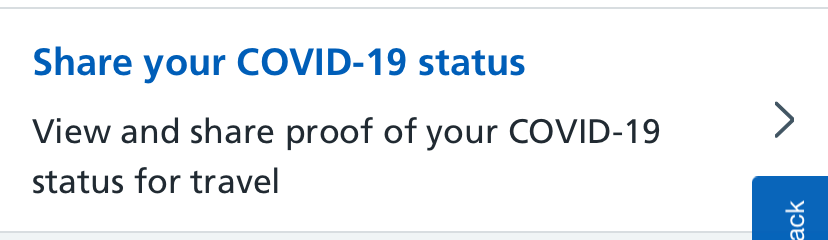
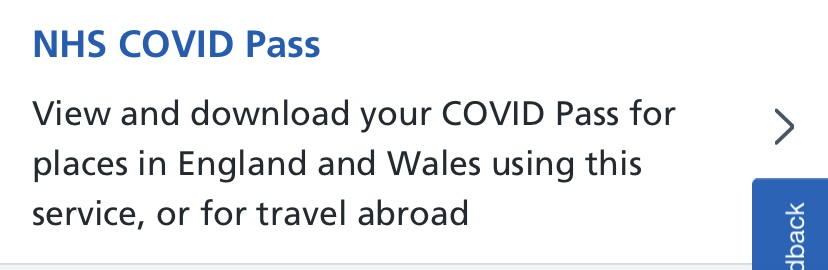
Changing the product name from “Share your COVID-19 status” to just “NHS COVID Pass”.
This was not in line with our style guidelines but it was a lot punchier and clearer. I also suggested the use of “COVID Pass” as a simplified term if we’d already used the full service name within the same page.
Due to the severity of the situation, the exec team agreed this was the best way forward, and once implemented we saw a huge uptake in users accessing the service.
“Share” vs “Download”
We were hearing complaints of users trying and failing to download the app to get a COVID Pass moments before boarding flights and entering sporting events.
They were struggling to access their COVID Pass due to the app’s identity verification measures taking too long, or the service crashing due to high volumes of users trying to access it at one time.
I had already highlighted to the exec team that “share” was an inaccurate description of the functionality we had. To encourage users to get their passes before reaching the airport or event, and to more accurately match the functionality of the service, I suggested we change the verbs to “view and download” anywhere that described the service.
The NHS Digital style guidelines were updated and these verb changes were made anywhere that referenced the service across the estate.
Although users still had to undergo identity verification, we started seeing less spikes of users trying to access their passes. The service became more stable, and as such we saw more successful COVID Pass downloads per user.